For many people, spring feels like a fresh start: the days are getting longer, temperatures are rising, and we’re spending more time outdoors again. But while we enjoy the first warm rays of sunshine, our hair often reacts much more sensitively to this transitional period than we expect. Many people suddenly notice more frizz, an irritated scalp, oilier roots, or even increased hair loss.
But why is my hair changing so much right now?
Spring weather throws the scalp out of balance
The constant shift between cold mornings, dry indoor air, warm afternoons, and damp, rainy weather puts a strain on the scalp. Our skin—and that includes the scalp—has to constantly adapt to new conditions.
Sebum production, in particular, is highly sensitive to these changes. While some people suddenly experience a dry, tight scalp, others produce significantly more oil than usual. As a result, hair looks limp more quickly, loses volume, or feels both dry and greasy at the same time.
Typical springtime ailments therefore include:
- tight or itchy scalp
- Dry hair despite regular care
- a method that makes hair greasy quickly
- sensitive or irritated scalp
- dull or unmanageable hair
People with sensitive skin or existing scalp issues often notice these changes particularly strongly.
Pollen and humidity: an underestimated health hazard
In addition to temperature fluctuations, the environment also plays a major role in the spring. Pollen, fine dust, and increased humidity have a direct effect on the hair and scalp.
Pollen can settle on the scalp and exacerbate irritation or itching there—even in people without a typical allergy. Many people simply notice that their scalp suddenly becomes more sensitive or gets irritated more easily.
In addition, the higher humidity causes the hair to absorb more moisture from the environment. This causes a temporary change in the hair’s structure.
This is often evident in:
- more frizz and flyaways
- less hold when styling
- frizzy or puffy hair
- a "heavy" feeling in the hair
- Lack of definition in curls or waves
Fine hair in particular often loses its strength and volume during this time.
Why more hair often falls out in the spring
Many people are alarmed when they suddenly notice significantly more hair on their brush or in the shower in the spring. In fact, trichologists have been observing seasonal changes in the hair growth cycle for years.
Just as animals shed their fur, the human hair cycle is also subject to certain seasonal fluctuations. In the spring, many people experience a greater number of hairs entering the so-called resting phase (telogen phase) at the same time, before falling out a few weeks later.
In the short term, slightly increased hair loss can therefore be perfectly normal.
However, it is important to distinguish between:
- seasonal, temporary hair loss
and - permanent or pathological hair loss
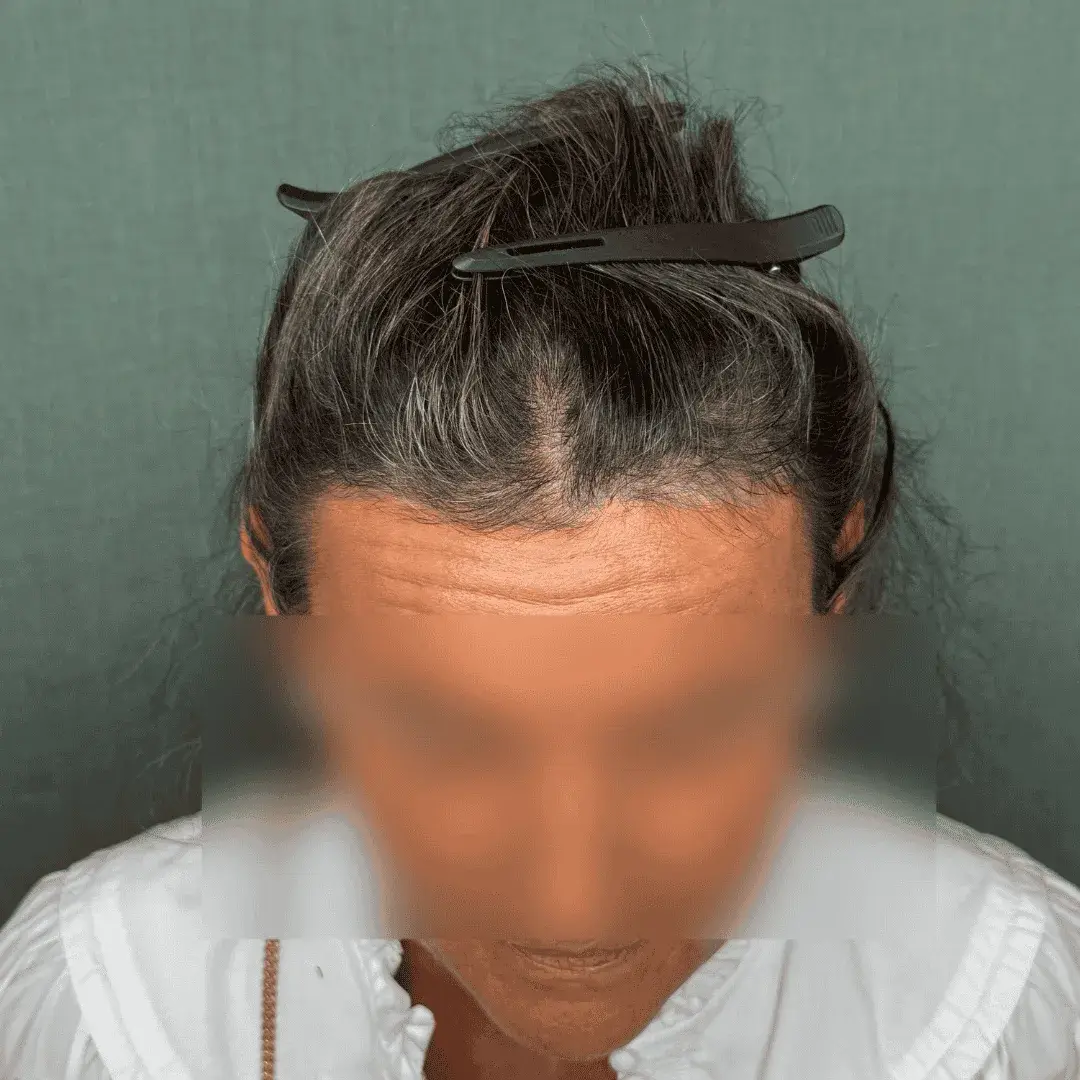
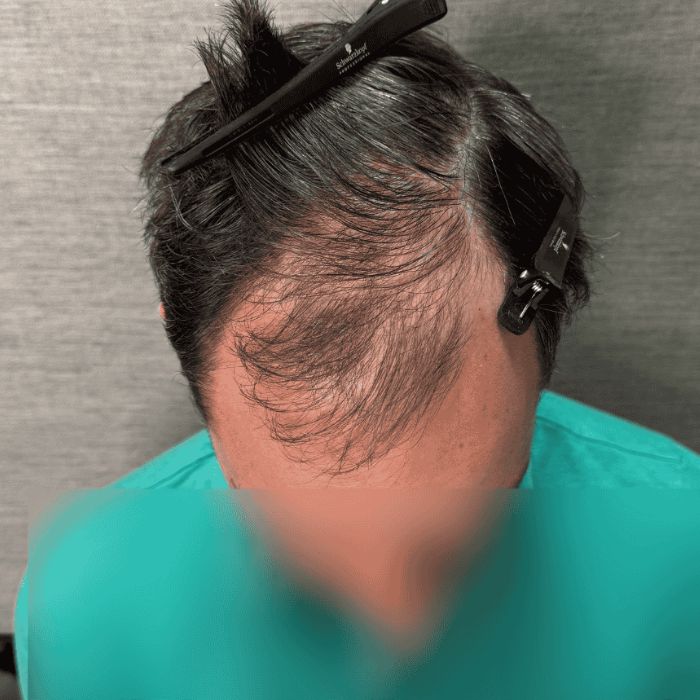
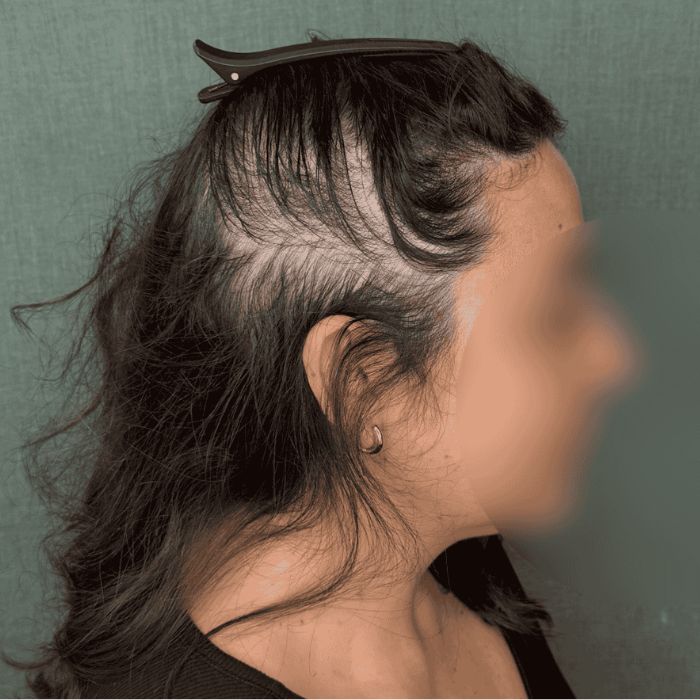
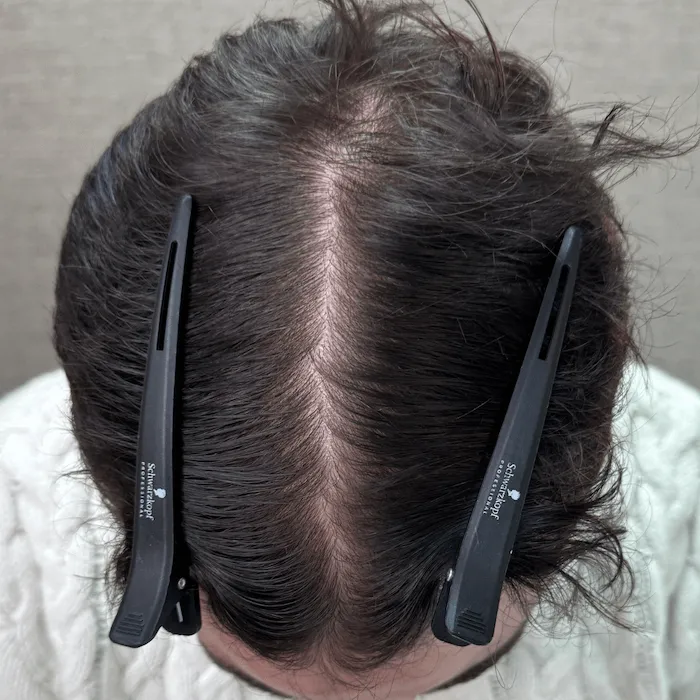
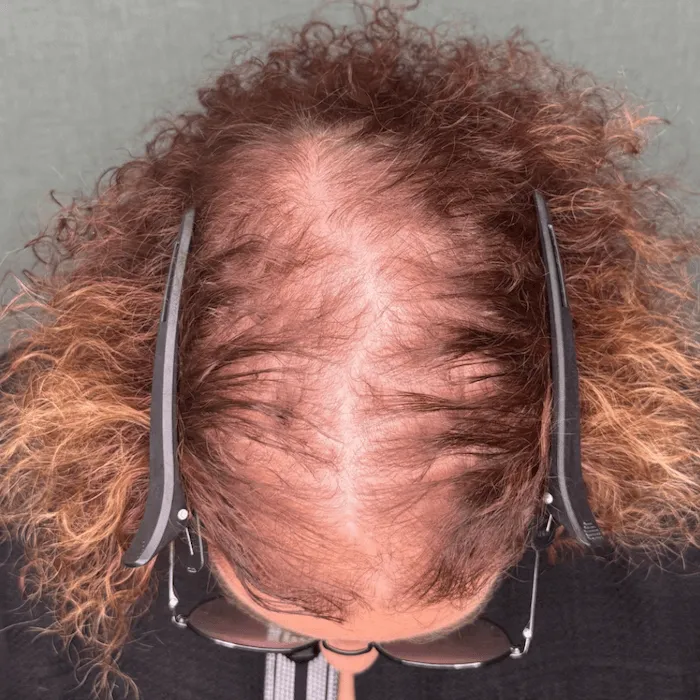
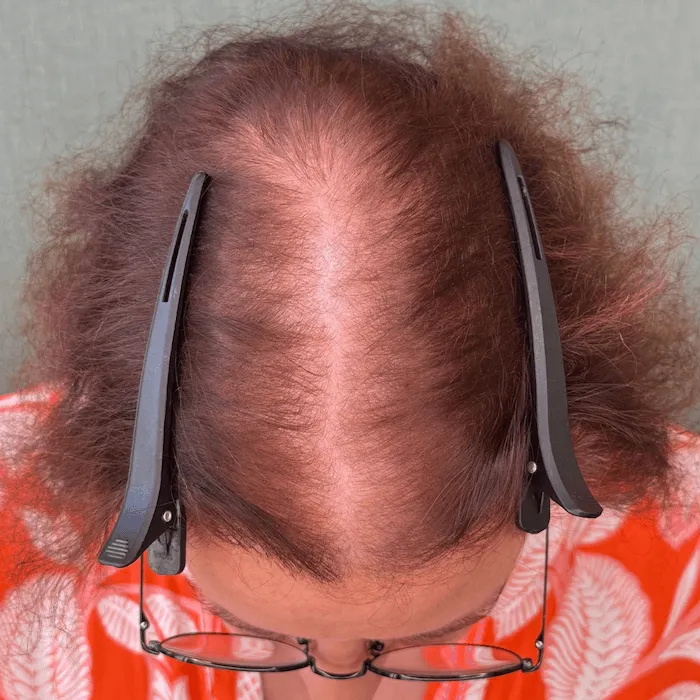
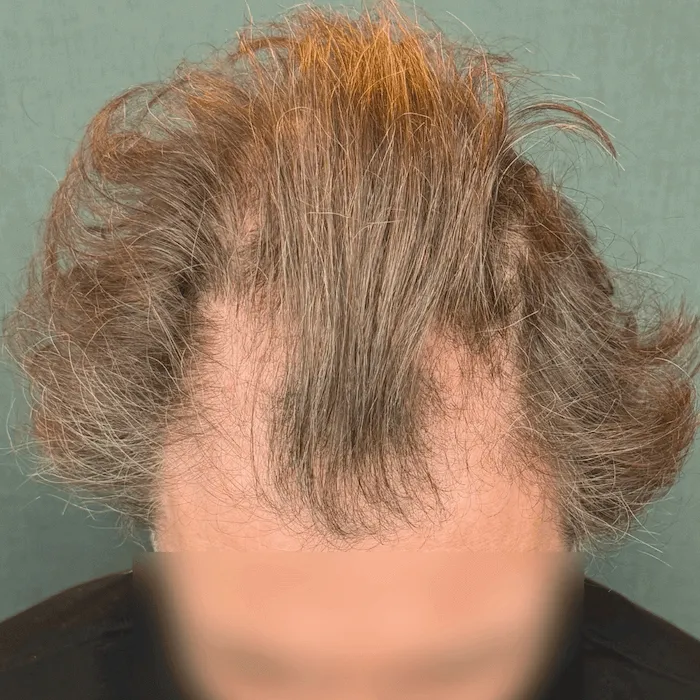
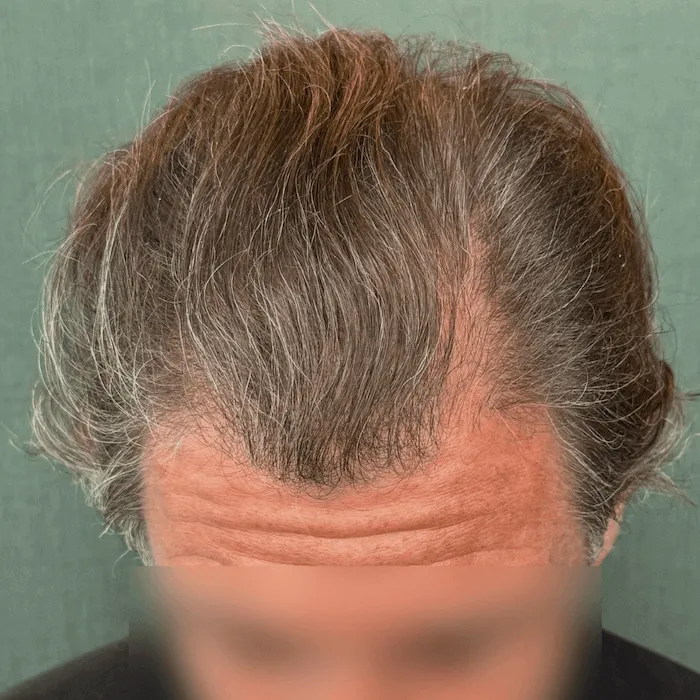
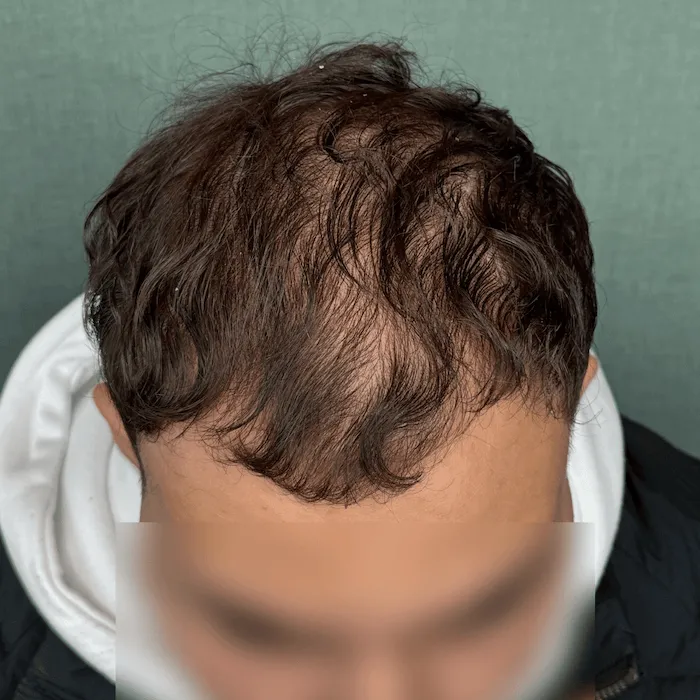
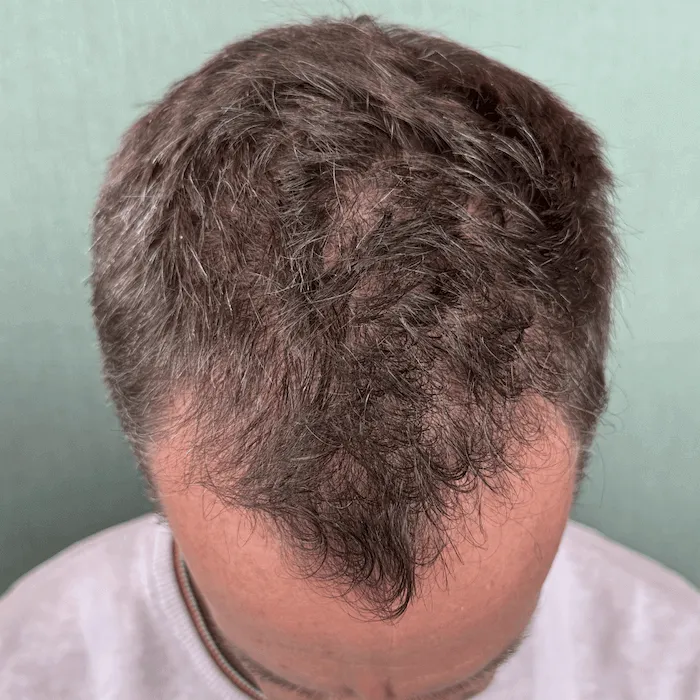
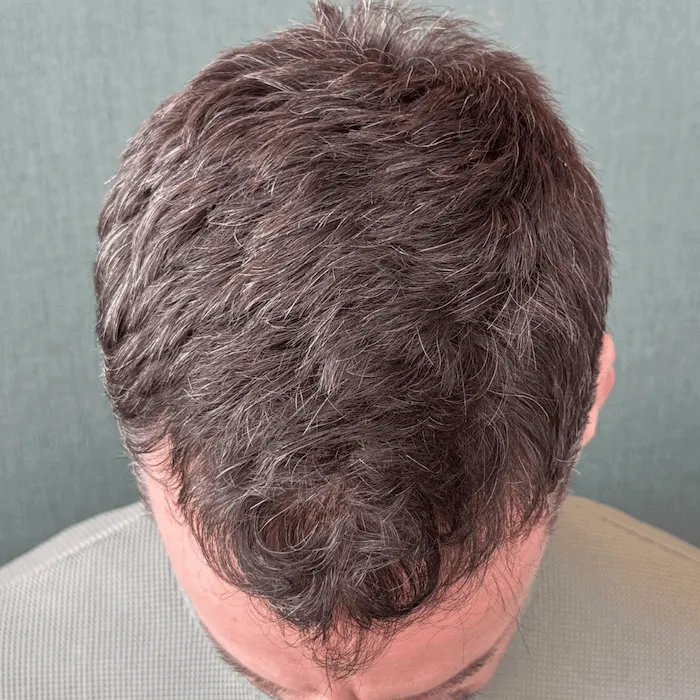
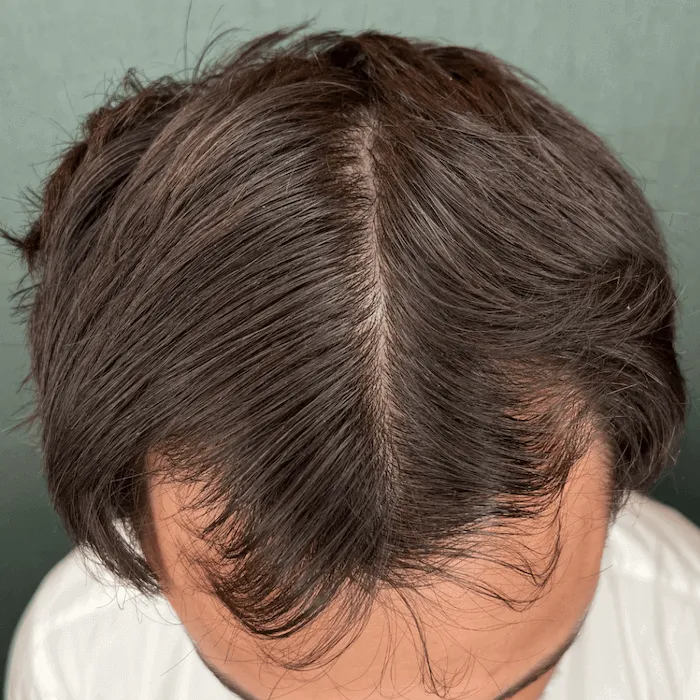
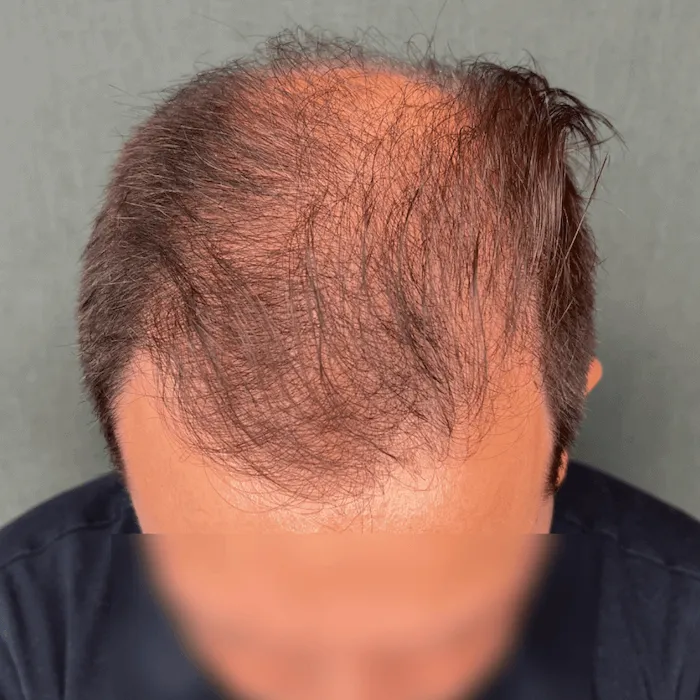
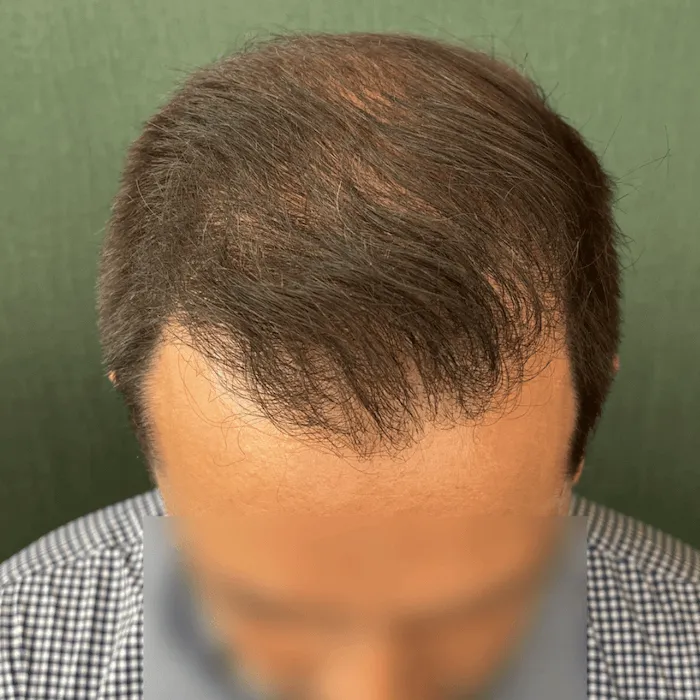
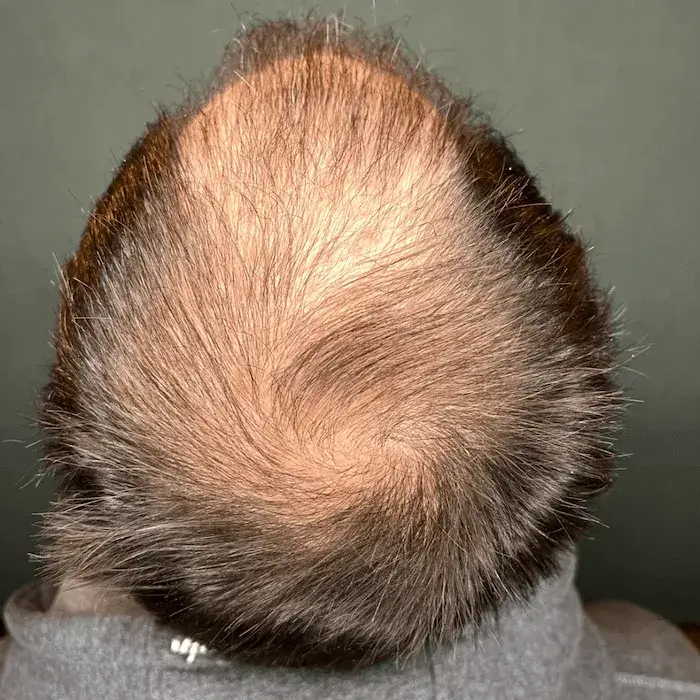
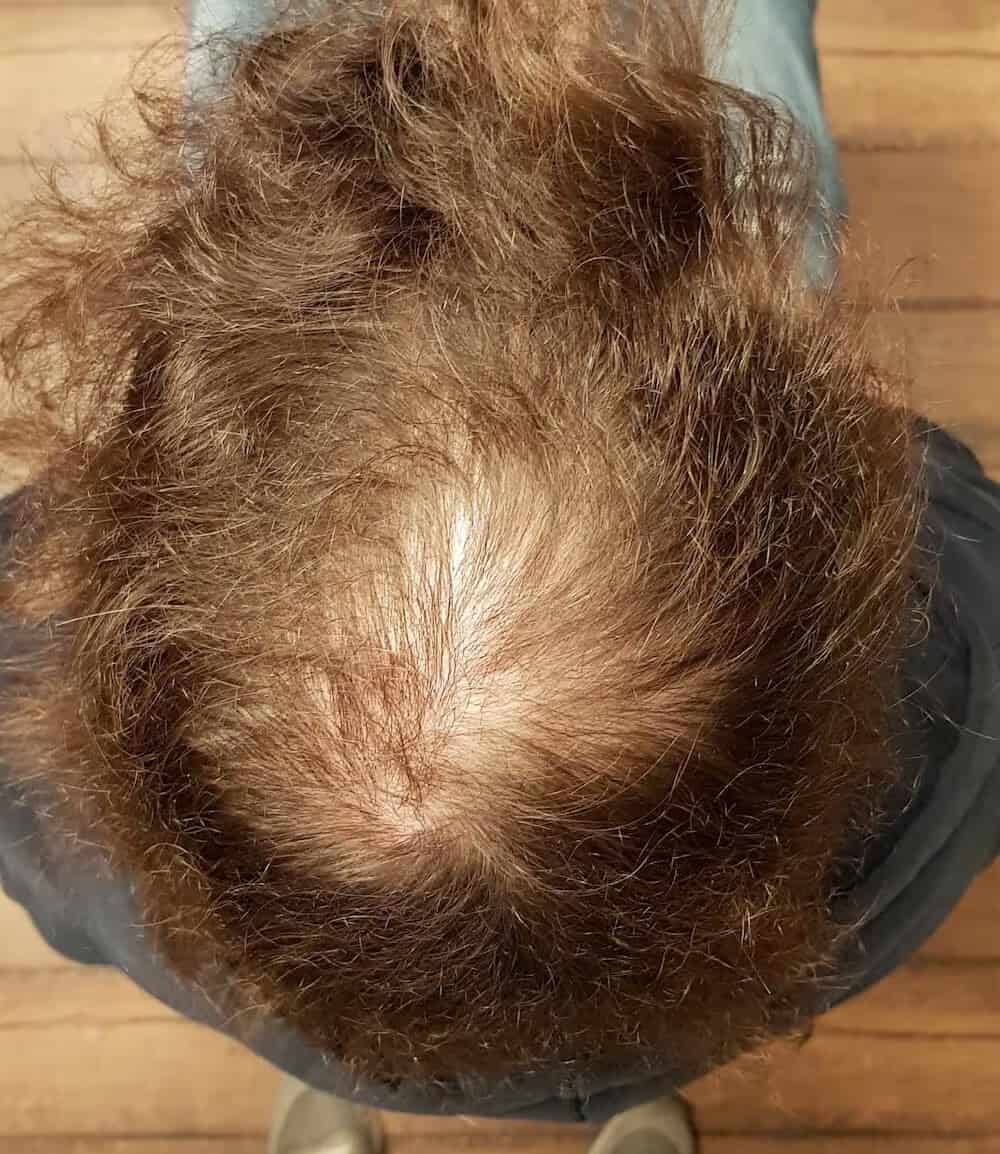
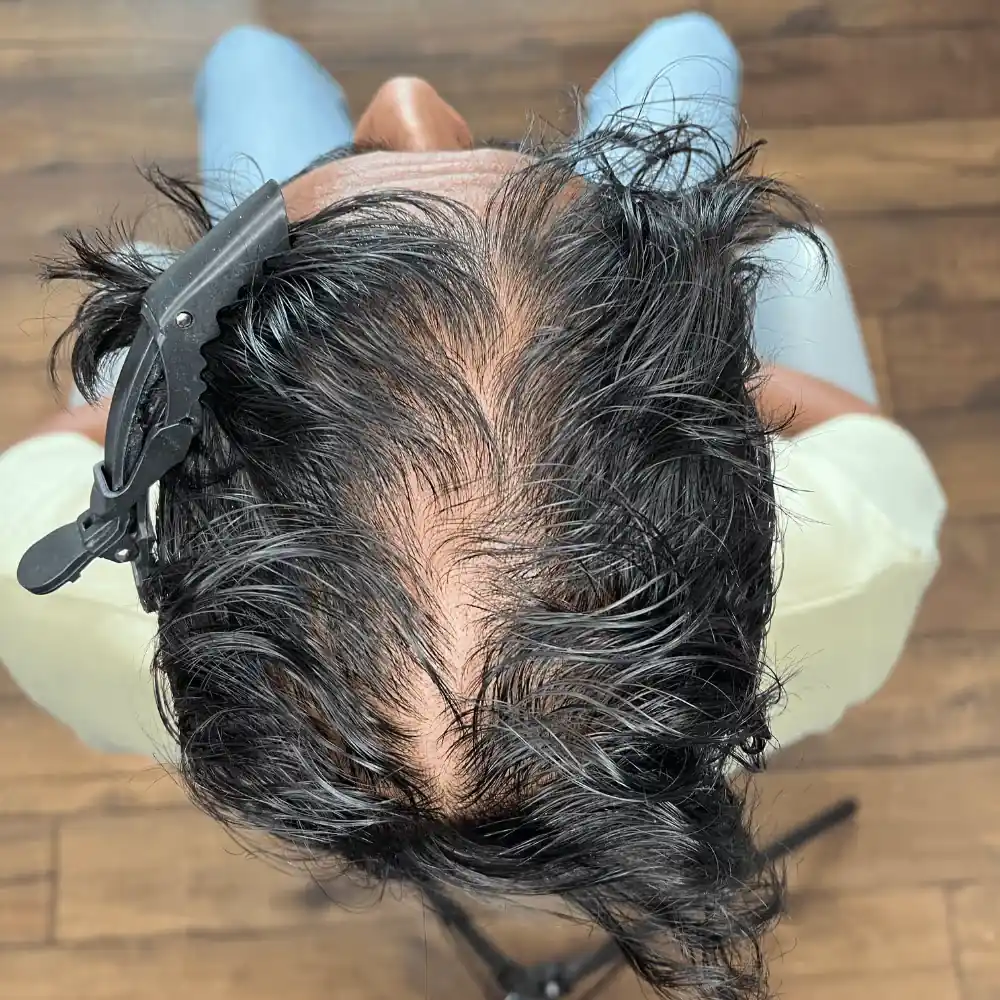
If hair loss persists for several weeks, bald spots appear, or hair density visibly decreases, the cause should be investigated further.
This is because seasonal factors often merely exacerbate existing problems such as:
- androgenetic alopecia
- diffuse hair thinning
- Stress-related hair loss
- hormonal changes
- Nutrient deficiencies
What really helps your hair right now
Especially during seasonal transitions, hair is particularly sensitive to harsh treatments or frequent changes in products. That’s why less is often more.
Above all, a consistent and soothing skincare routine is important.
These include:
Mild and balancing shampoos
Harsh cleaning products can further irritate an already sensitive scalp. Gentle formulas help restore the scalp’s natural balance.
Don't "over-treat" your scalp
Many people try to combat dryness or irritation by using more and more products. However, using too many serums, oils, or harsh cleansers can put additional stress on the scalp.
Protection from the sun and wind
The first strong UV rays are often underestimated. UV radiation and wind further dry out the hair and scalp.
Regular brushing
Gently brushing removes buildup such as pollen, styling residue, and excess sebum. At the same time, it stimulates blood circulation in the scalp.
Sufficient moisture and nutrients
Diet, hydration, and sleep also have a much greater impact on hair quality than many people realize.
When an analysis is appropriate
Not every change is immediately cause for concern. However, if the hair structure or scalp changes significantly over an extended period of time, it’s worth taking a closer look.
A professional trichological analysis can detect the following at an early stage:
- whether the hair loss is still within the normal range
- how active the hair follicles currently are
- whether there is inflammation or scalp issues
- whether there are early signs of androgenetic alopecia
- which treatment is truly effective
Changes detected early on are often much easier to stabilize or improve.
After all, when it comes to hair, the same rule often applies: the sooner you take action, the better the long-term results.


.png)










%2520(1).avif)


%2520(1).avif)

%2520(1).avif)
%2520(1).avif)
%2520(1).avif)





%2520(1).avif)
%2520(1).avif)


.avif)
.avif)


%2520(1).avif)
%2520(1).avif)


%2520(1).avif)
%2520(1).avif)


.avif)
.avif)


.avif)


.avif)
